Inspection
A focused inspection to diagnose a defined building issue, interpret cause and risk, and advise on the next step.
Start here where there is a specific problem, defect, existing condition, or a question about work in progress or completed. A proposed change or operational requirement sits with Scope Survey.
Scope Inspection
I have a specific problem with the building.
A focused inspection to consider a defined building issue or a specific question about work in progress or completed. MGRA agrees the scope around the client’s question, records the relevant condition and evidence, interprets cause and risk so far as the agreed scope allows, and advises on the appropriate next step. The emphasis is professional judgement, not routine record-taking.
Typical issues include water penetration; damp or staining; roof or cladding defects; cracking or local movement; deterioration or damage; an isolated maintenance concern; responsibility for a repair under a lease; or reinspection of previously identified work.
Questions about contractor work may include a particular stage of work; apparent workmanship or specification concerns; whether identified defects have been addressed; completed remedial work; snagging or completion observations; or an independent factual record.
Some defects are concealed, intermittent or weather-related. Further opening-up, monitoring, testing or specialist investigation may be required.
A Scope Inspection is not a comprehensive building survey. Visual inspection will not always establish a definitive cause. A focused inspection is not certification of all contractor work unless MGRA is separately appointed to provide that service.
An ordinary Scope Inspection is not an expert-witness report. Where the matter may become a formal dispute, MGRA will advise whether a separate expert-witness appointment is required. See Inspection Report and Expert Witness Report.
Possible outputs include concise inspection advice; an annotated photographic or defect report; and a recommended repair, investigation or next professional input.
Dilapidations · Defect Inspection · Insurance Incident Record · Schedule of Condition · Commercial Building Survey · Technical Due Diligence · Design · Project Services
Defect Inspection
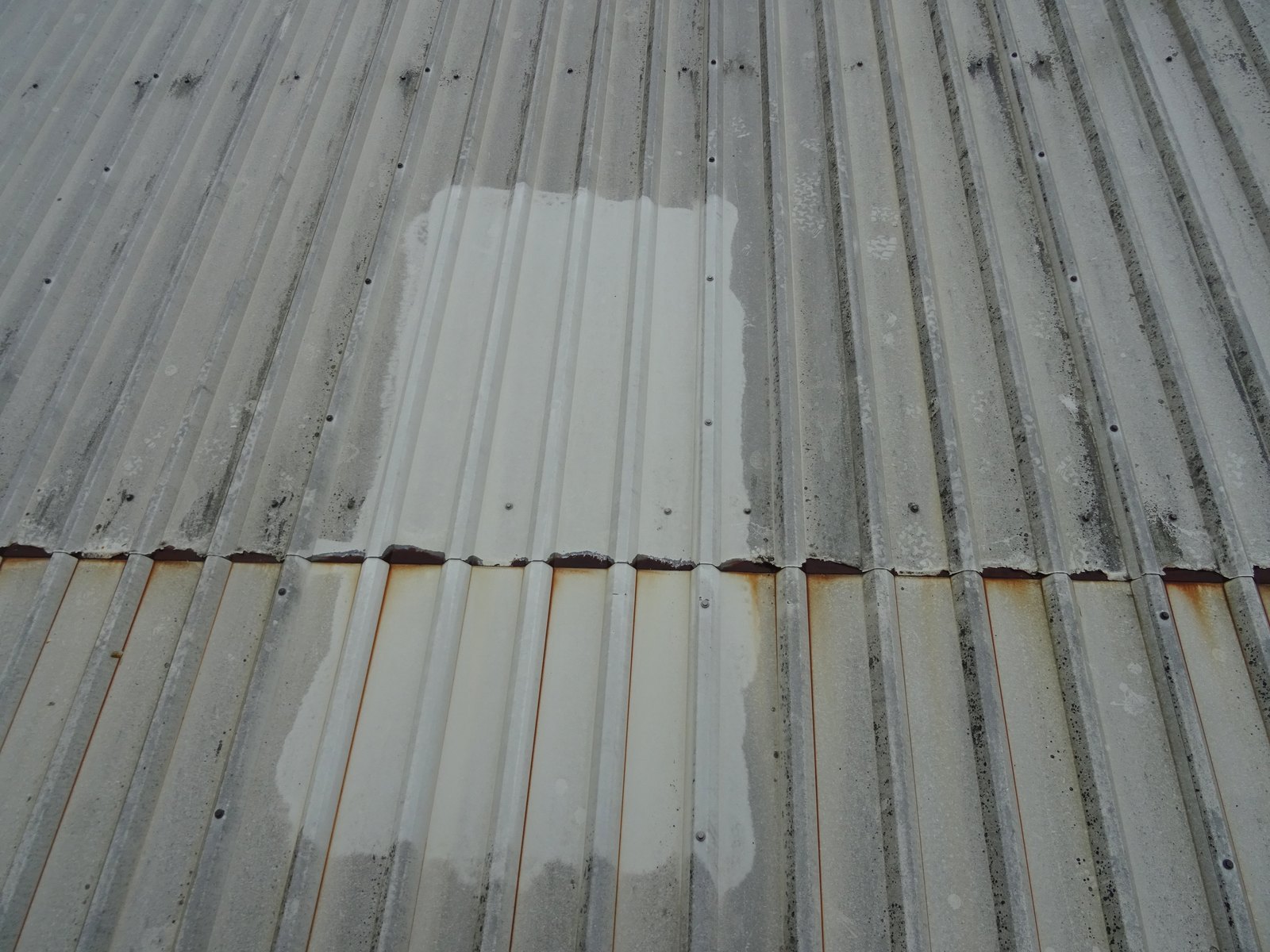
A Defect Inspection is a focused investigation of a defined defect or failure. MGRA inspects, interprets the likely cause and consequence so far as the agreed scope allows, and advises on repair, further investigation or specialist input. Specialist testing or opening-up is coordinated where required.
Roof defect inspection.
Schedule of Condition
Where the purpose is to create an evidential record of condition rather than investigate a particular issue, MGRA can prepare a separate Schedule of Condition. It is a dated written and photographic record. It is not the default output of a Scope Inspection, and it is not a schedule of dilapidations.
Insurance Incident Record
Where instructed after flood, fire, break-in or similar damage, MGRA can inspect the affected building, record the relevant condition and advise on the next professional step. The record supports the client’s decision and any later reinstatement instruction. It is not an insurance valuation, and it is not a claims-handling appointment.
Wider reinstatement coordination, where instructed, sits with Advisory.
Questions clients ask
These questions and answers explain our general approach. The scope of our services is agreed for each instruction.
Do you need an independent view of work in progress or completed?
MGRA can undertake an interim, progress, completion or reinspection focused on the particular work or concern. The resulting record may support remedial instructions, further monitoring or, where a dispute develops, consideration of a separate expert-witness appointment. Contract administration of the works sits with Project Services where that is the appointed role.
Is an Inspection Report the same as an Expert Witness Report?
No. An Inspection Report advises the client on a defined condition or question. An Expert Witness Report is a separate appointment prepared independently for a dispute or proceedings and is subject to specific professional and procedural duties. An earlier inspection may provide evidence for that later instruction.
Am I responsible for this defect under the lease?
MGRA can inspect the defect and review the relevant lease and demise to advise how the physical condition relates to the repairing obligations. Material points of legal interpretation may require confirmation from the client’s solicitor. Lease-end claims sit with Dilapidations.
Can an inspection identify the cause of water penetration?
It may identify likely entry paths from what is visible at the visit. Intermittent, concealed or weather-dependent defects may need further investigation before a definitive cause can be stated.
What is the difference between an inspection and a building survey?
A Scope Inspection is limited to an agreed question, area or issue. A Commercial Building Survey examines the building more widely. Neither is a measured survey. A proposed change to the building sits with Scope Survey.
When does an inspection need to become a wider building survey?
Where the concern may affect other parts of the property, reveal wider liabilities or influence an acquisition or lease decision, MGRA may recommend a Commercial Building Survey or Technical Due Diligence assessment. Not every defect inspection becomes either of those instructions.
Will opening-up or specialist testing be required?
Not always. Some defects are concealed, intermittent or weather-related. Further opening-up, monitoring, testing or specialist investigation may be required.
What is a Schedule of Condition?
A dated evidential record of the building’s observed condition, usually with photographs, prepared where the purpose is to record condition rather than investigate a particular issue.